
You flinch each time they check their phone. That's not paranoia--that's a nervous system bracing for the next blow.
Rewiring the nervous system in Frisco
Betrayal trauma lives in your body, not just your mind. We use somatic techniques and neurofeedback to help your nervous system relearn safety — together, not alone. Many intensives and solutions are geared towards helping the betrayed partner heal while the other partner learns to "behave". We take a partnered approach to healing from betrayal trauma, with support for both partners, not just the betrayed partner.
Love was never the problem. Trust is what broke--and trust doesn't heal just because love stayed.
You didn't imagine it. Something happened. A discovery, a confession, or maybe a pattern of lies that finally surfaced, and it changed the ground under both of you. You're still here. You still love them, or you think you do, or you're too exhausted to know for certain anymore. But your body doesn't run on what you decide to feel. It runs on what it's learned to expect, and right now, what it's learned is that the person beside you might not be safe. So you check. You scan. You notice their phone, their tone, the two extra minutes it took them to answer. You're not imagining threats that aren't there. You're reacting to the one that already happened. And the hardest part isn't just the hypervigilance. It's that neither of you knows how to talk about it without it becoming another wound. You've had the conversation. Maybe several times. The apology, the explanation, and the promise it won't happen again. And some part of you believes it, or wants to. But belief and safety aren't the same thing, and no amount of being told you're safe now actually convinces a nervous system still bracing for the next blow. You're not broken for still flinching. You're not weak for not being over it yet. You're a person whose body is doing exactly what bodies do after betrayal, and it's not going to stop just because one or both of you have decided it should. Underneath the vigilance, and the moments you catch yourself checking again (and secretly hate that you are), there's a quieter question neither of you wants to say out loud: "Is it possible to actually feel safe again with this person, or am I just caught in this prison sentence of managing this for the rest of my life?" That question deserves a real answer, not just more time while you hope the flinching will fade on its own. Trust doesn't rebuild by accident, and it doesn't rebuild on a weekly 50-minute schedule either. It rebuilds when the partner who broke trust brings real transparency into the relationship--not just sharing their physical location and whereabouts, but the willingness to let themselves be known: their thoughts and struggles, and the parts of themselves they used to hide. And it heals when the relationship itself starts to feel different enough from the one that broke--different enough that the nervous system has something new to learn from, instead of old relational patterns and wounds to keep guarding against. That's not naive. It's how healing after betrayal actually works. And if you're still here, still reading and willing to try--some part of you already knows that healing and recovery are possible.
Is This You?
If you recognize yourself in even one of these-you're not alone, and you're not out of options.
You Found Out, and Your Body Never Got the Memo That It’s Over
The conversation happened. The apology happened. But you still check their phone, still notice when their voice changes, still feel your chest tighten when they're five minutes late. You're not being paranoid--your nervous system is still bracing for the next blow, and it doesn't care how many times you've been told it's safe now.
You're The One Who Broke It, and You're Terrified You'll Never Stop Being the Villain in the Story
You've apologized more times than you can count. You're still walking on eggshells, still bracing for the next reminder of what you did, still not sure there's a version of this where you get to be trusted again — or even heard.
You've Done "The Work" And You Still Don't Feel Anything Close To Safe
Individual therapy. A Book. Maybe even a few sessions together. You said the right things and did the right things--and none of it touched the part of you that flinches. That's not a failure of effort. It's a sign the work never got to where the betrayal actually lives in the body.
You’re Still Sharing A Bed, And Somehow More Alone Than Either Of You Has Ever Been
You haven't left. Neither of you has stopped trying. But trying isn't the same as healing, and you're both exhausted from carrying something you don't know how to put down together.
Why Weekly Therapy Often Isn't Enough--Especially Here.
Most couples who come to us for affair recovery have already tried traditional couples therapy. They showed up every week, sat across from a therapist, and did their best to explain something that doesn’t compress easily into fifty minutes. And just when the real conversation started — when the walls came down enough to actually get somewhere — the session ended. Same time next week. So you drove home in silence, or in tears, or carefully avoiding the thing you’d just barely begun to touch. And by the time you sat back down on that couch seven days later, some of the urgency had faded, the defenses had rebuilt themselves, and you spent the first fifteen minutes finding your footing again. Not because the therapist wasn’t skilled. But because the format wasn’t built for betrayal trauma recovery. Betrayal trauma and deep relational rupture don’t follow a weekly schedule. The nervous system doesn’t reset between appointments. Trust doesn’t rebuild in installments. And healing from infidelity — the kind of work that actually moves couples forward, that gets underneath the story you’ve been telling yourselves and into what’s really happening between you — that work requires time to breathe. Time to go somewhere and stay there long enough to come out the other side, instead of stopping at the edge of it every single week and starting over. Our relationship intensive for affair recovery is different. Not better because it’s longer — better because it’s uninterrupted. Because the momentum you build in hour two for rebuilding trust after infidelity doesn’t evaporate by hour four. Because you don’t have to re-establish safety with the room every session. Because by the time you get to the tender, difficult center of what’s broken between you, there’s still time — and space, and support — to actually do something with it.
A Structured Intensive Two Days. Twelve Weeks. A Relationship You Actually Want To Come Home To
The Rebuild Trust Intensive isn't therapy stretched across months of fifty-minute appointments. Designed by a licensed marriage and family therapist specializing in betrayal trauma recovery, it's an accelerated, private transformation. The Intensive is built around the way couples actually heal — through assessment, immersion, momentum, and support that stays with you after you leave the room. It's structured in two phases, because breakthrough and sustainability are different kinds of work, and you need both. Every part of this Intensive—the assessment, the two days, the 12 weeks after—is built for both of you. This isn't a program where one partner does the healing and the other does the behaving. You'll each have space to be heard individually, and work to do together, because trust doesn't rebuild when only one person is doing the work. **Initial Assessment** Ahead of the Intensive, we assess where each partner is in recovery based on a four-stage framework: Crisis, Early Recovery, Active Rebuilding, and Turning Point. Based on your Trust Recovery Results, we tailor your intensive interventions and support accordingly. By the end of the Intensive, you will complete another assessment measuring areas that matter most after betrayal—communication, transparency, emotional safety, and more. The results shape your 12 weeks of follow up, so that nothing important gets left unaddressed. **Phase 1 — The 2-Day Private Intensive: Pattern Break & Safety Reset** The first two days are where everything shifts. Together, we slow down the cycle that's been running your relationship — the one where one of you is checking and meets with defensiveness, or both of you escalate until someone shuts down — and we interrupt it in real time, not just in theory. We work through the deeper triggers underneath the surface conflict: the nervous system responses, the shame, the moments where hypervigilance masquerades as control and avoidance masquerades as not caring. Neurofeedback training is available and recommended to support rewiring the brain and nervous system. By the end of day two, you won't just have had good conversations. You'll have a felt sense of what emotional safety actually feels like between you — not as a concept, but as something you've experienced together in this room. **Phase 2 — 12 Weeks of Private Mentorship & Accountability: Because Insight Without Support Doesn't Stick** What breaks down most couples after a retreat or intensive isn't a lack of motivation — it's the gap between what they understood in the room and what they can actually do on a Tuesday night when they're tired and triggered and it's happening again. That's what the twelve week coaching sessions are for after the Rebuild Trust Intensive. Every week, for an hour, we apply what you've built to real-life moments. We track your patterns, adjust your roadmap, and make sure the progress you made in those two days compounds — instead of quietly dissolving back into the old defaults. This is the piece most programs skip. It's the piece that makes the difference between a breakthrough and a transformation. **What's Included — Inside Both Phases, You'll Work Through:** **A Personalized Week-by-Week Relationship Roadmap** built from a deep assessment across communication, conflict, intimacy, finances, parenting, and expectations — so nothing important gets skipped and nothing generic gets handed to you. **A Transparency and Trust Rebuilding Plan** — concrete, agreed-upon practices for both physical and emotional transparency, built together rather than imposed, so trust has something real and specific to rebuild on instead of just passing time. **The Relationship Garden Method™** applied directly to your dynamic — the same framework from the book, *A Couple's Guide to Connection: From Roommates to Romance in Just 10 Minutes a Day*, now mapped to the specific patterns between the two of you. **A Conflict Navigation Toolkit** for the moments that used to derail you — tools to manage flooding, repair faster, and stay connected when it's hard. **Connection Rituals and an Intimacy Rebuilding Plan** built for real life — ten minutes or less, designed to rebuild closeness without adding pressure. Your Investment: $3,000 pay-in-full (save $500) or two installments of $1,750. This isn't couple's therapy. It's an accelerated private intensive for couples who are done waiting to feel close again—and ready to do something about it.
This Was Made For You If...
One or more of the following scenarios sounds like you:

Betrayal and Broken Trust
You found out something that changed everything. Maybe it was an affair. Maybe it was a pattern of lies that went on longer than you knew. You're still in the same relationship, but you don't know yet if you're staying — or if staying is even possible. What you do know is that weekly sessions haven't touched the depth of what broke, and you need something that can hold the weight of what you're carrying. This Intensive was built for exactly that.

Distance and Disconnection
There's no crisis moment you can point to. No single conversation that broke things. Just a slow drift that happened while you were both busy living your lives — and now you're looking at each other wondering how you got here. You still care. You're just not sure how to find each other again. If you're waiting for the right time to address it, this is the sign that the right time is here, right now, before the distance consumes the relationship.

You've Tried, And It Hasn't Been Enough
You've done the disclosure conversation, the apology, the promises-- and you still don't feel safe when they're five minutes late coming home. That's not a willpower problem, that's a nervous system that hasn't gotten the 'all clear' yet. You don't need more of the same. You need an environment with enough time, enough depth, and enough support to get underneath what keeps resurfacing. That's what this is.
In Their Own Words...
"I didn't realize how much of my energy was going toward vigilance. Checking. Bracing. Waiting. After the intensive, I noticed it happening much less. Not because I decided to — because my body finally felt safe enough not to. I didn't know that could happen this fast."
Rachel M.
Dallas

"I'd spent years telling myself my needs were just too much. That I was the problem. The intensive was the first time I actually believed that wasn't true — and not just in my head. Something shifted in my body. We don't have the same conversations anymore. We have different ones."
David K.
Dallas
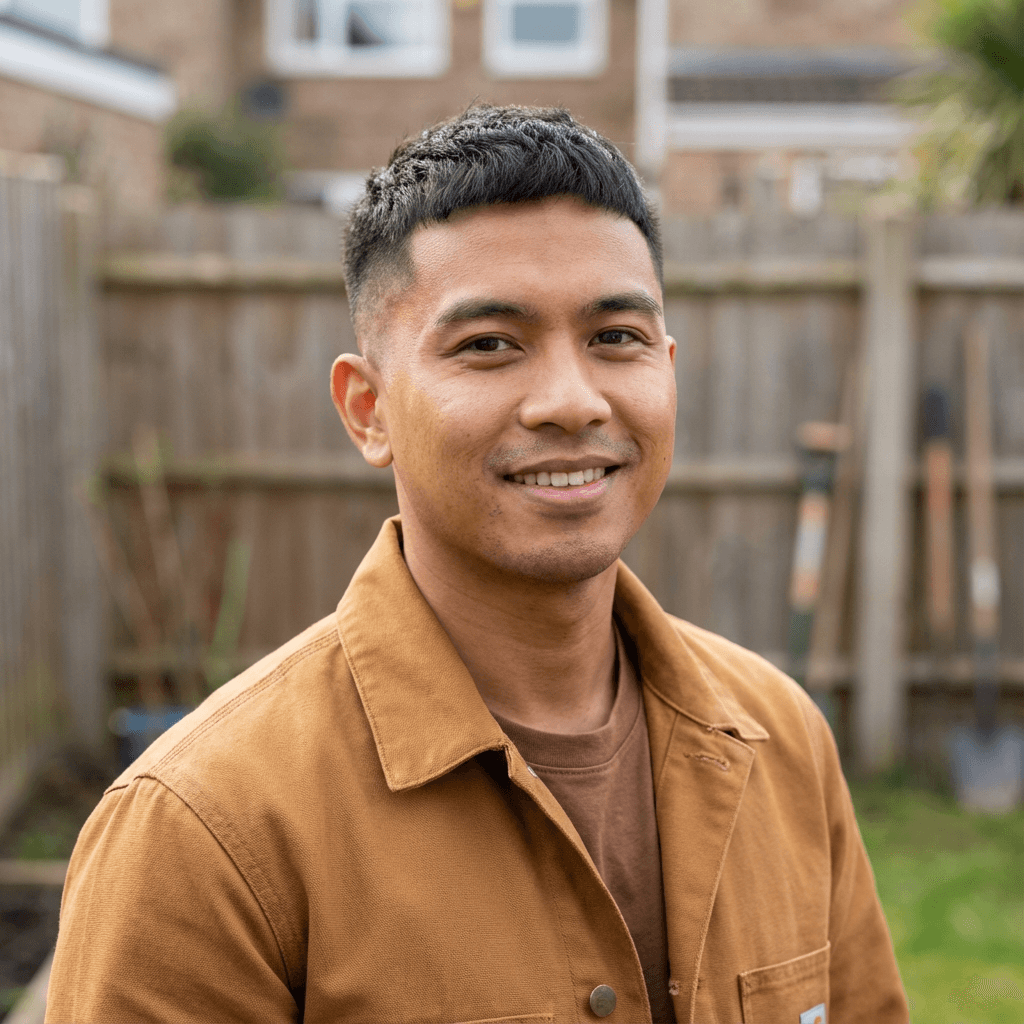
"Three therapists. Three years. We learned a lot of things we couldn't actually do when it mattered. After the intensive, I sat next to my husband on the couch and realized my heart wasn't racing. I didn't even notice it at first — that's how normal it felt. That's when I knew something had actually changed."
Lauren T.
Seattle

"I didn't realize my body had been treating her like a threat. I thought I was just guarded. The somatic work cracked something open that I couldn't have gotten to through talking alone. We're not starting over. We're starting from somewhere real for the first time."
James R.
Dallas

"I kept waiting for it to fall apart again. Every good moment had an asterisk. The intensive didn't just give us tools — it got into the part of me that was still bracing, still scanning, still convinced the other shoe was about to drop. I'm not waiting anymore."
Sophia L.
Tacoma


A nervous system that knows safety again
You don't have to live with the scanning, the distance, or the fear. Call us to schedule your intensive consultation.